What My General Practitioner Can Learn from Porsche About Lean Processes
Here is a post I recently wrote while waiting to be seen at my GP:
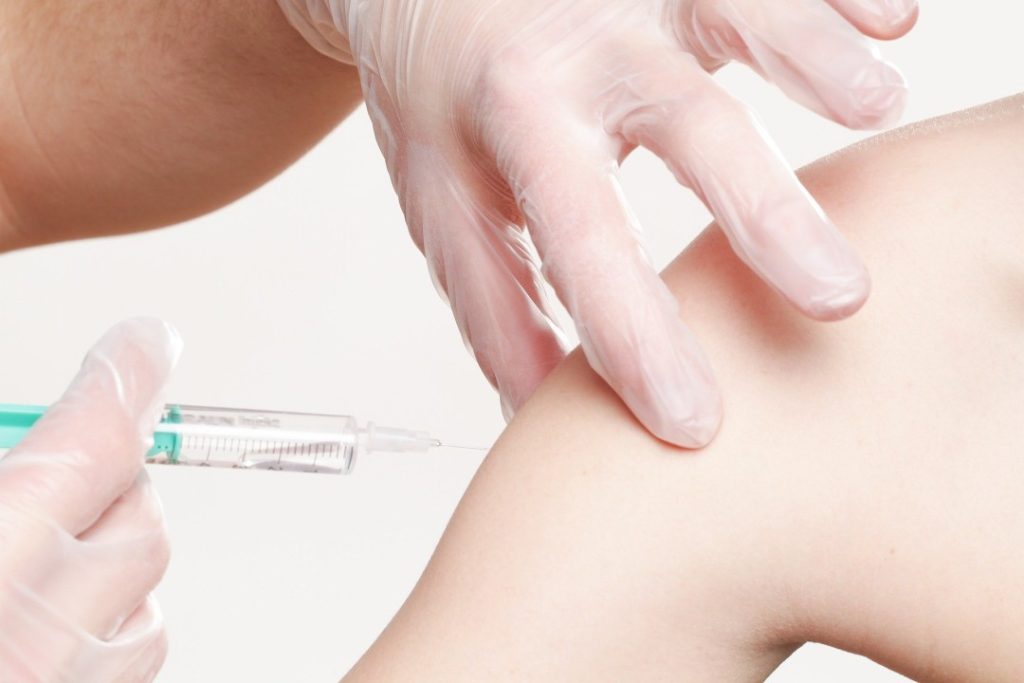
I’m writing this article at my GP’s practice, who you already know from my latest article—my 2.5-hour waiting experience. Today, I’m visiting him to get my flu vaccination. My interaction with the friendly lady at the reception desk made me smile and think, „one more worth sharing“:
At 16:40: „Hi, I’m Carl Machado; I’m here to get my flu vaccination.“ She: „Sure, can you please give me your insurance card? I will print the medical prescription that the doctor will sign in a sec. Please take a seat.“ Me: „Okay.“
After a while, I remembered how exciting time-keeping could be—at 16:50, she called me: „The doctor has signed it, please take it and go down to the pharmacy around the corner, you’ll get your vaccine there. Please come back.“ So far, so good—I did what I was told.
Now it’s 17:03; I was asked to take a seat in the waiting room. Around me, people are coughing and are suffering from a bad cold.
I remember „lean principle“ lessons; how can processes be designed as simple as to increase efficiency. „I would expect that the GP has my vaccination ready,“ I said to myself. „They could anticipate the doses needed for this year based on last year’s.“ After asking the lady at the front desk, she said, „Your insurance requires this process; we cannot do anything about it.“
My second thought is—“I’m healthy, not suffering from any disease (until today), isn’t there any chance to separate healthy subjects from those coughing?“ At my son’s paediatrician, they used to have two entrances; one for infectious kids, one for „normal“ kids. Hmm, let’s see how my immune system will deal with the germs I’m picking up.
My vaccination typically takes five minutes: „How are you, Mr Machado?“ „Good, no problems, no cold, no infections—can’t complain,“ I typically reply to my GP; enough small talk before vaccinating me.
Five minutes later, 17:08, I see two of six people (including me) typing on their smartphones. Maybe they’re pre-checking their conditions using the ADA Health app?
Today, it took a bit longer after being called into his exam room at 17:11. He checked my vaccination status and reminded me of a medical checkup that needed to be scheduled for January. I left with the excellent advice that I shouldn’t eat too many sweets over Christmas, as we’re also checking my cholesterol levels next time. Nothing is easier than this; I smiled.
Even though this was a comparably quick visit to my GP, I thought about several things I could envision to be changed:
- They should have all the vaccines ready to save time and optimize resource utilization.
- Why does someone need to print out a prescription, send me to the pharmacy and get it? By doing so, we’re creating an administrative burden at various places.
- They could also distinguish between non-infectious and potentially infectious patients in the waiting room by pre-triaging them.
- Furthermore, I am hoping that all patients would have access to an electronic vaccine document, which will become part of a Personal Health Record.
- My vaccine document from my childhood was full, my GP couldn’t check if I received vaccines against measles and other preventable „child“ diseases.
- A few years ago, I created a cloud-saved Excel chart where all my vaccines are documented—this should and will become part of a Personal Health Record: https://research2guidance.com/why-germany-becomes-a-top-country-for-digital-health-solutions/
Yes, we’re engaging with humans in medicine, which is a different thing than optimizing an assembly line, e.g., in the Porsche factory. But some little things can help reduce the complexity of a system and help create efficiency, from which the patient and caregivers will benefit.